

Choosing a cabinet manufacturer for a multifamily project isn’t just about pricing or finishes. It’s a decision that directly affects your schedule, installation workflow, and how smoothly the project runs once units start turning.
Cabinetry touches multiple phases of construction. If the manufacturer can’t keep up, everything behind it slows down — from installation crews to final punch-out.
The goal is simple: find a manufacturer that can deliver consistently, stay on schedule, and support the realities of a construction site.

Production Capacity Matters More Than You Think
On a multifamily project, you’re not ordering cabinets, you’re committing to a production system.
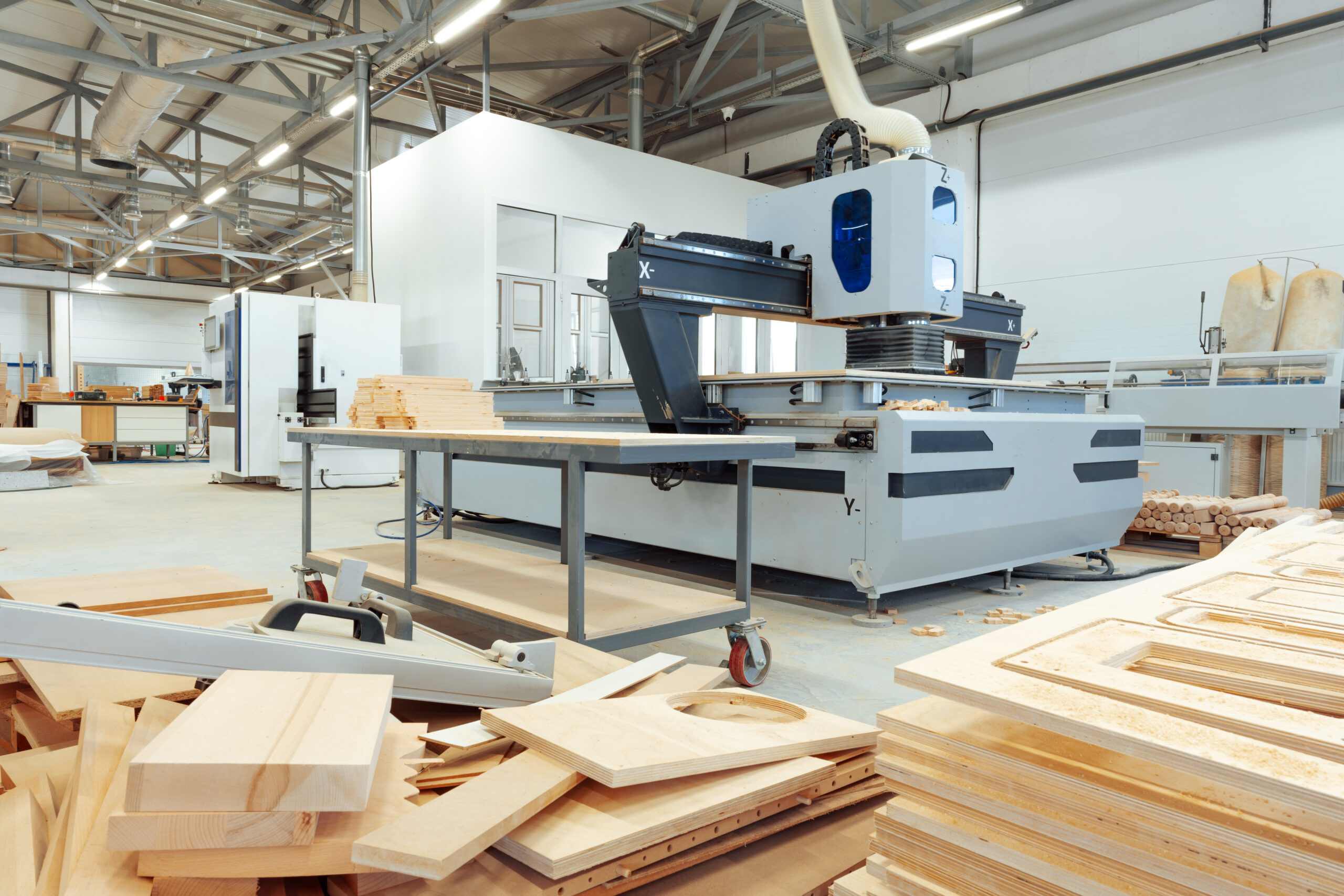
The manufacturer needs to be set up to handle volume without constantly adjusting or reworking units. That means structured production lines, consistent materials, and the ability to repeat the same result across dozens or hundreds of units.
If a company is used to one-off custom jobs, they’ll struggle when the project starts scaling. You’ll start to see inconsistencies, delays, and coordination issues that weren’t obvious at the beginning.
Lead Times Need to Be Predictable — Not Just Promised
Every builder has dealt with cabinet delays at some point. And when cabinets are late, it’s not just one trade that’s affected — it pushes everything.
What matters isn’t just how fast a manufacturer says they are. It’s whether they can consistently hit their timelines once production starts.
Domestic manufacturing usually has an advantage here. You’re not dealing with shipping delays, port issues, or long supply chains that are outside anyone’s control. When schedules are tight, predictability matters more than theoretical cost savings.
Installation Should Be Built Into the System
Cabinet installation is where a lot of time gets lost on multifamily projects.
If cabinets require too much adjustment on site, crews slow down, coordination becomes harder, and labor costs increase. This is where pre-assembled cabinet systems make a difference.
When cabinets arrive ready to install, the process becomes more predictable. Crews can move faster, layouts stay consistent, and there’s less back-and-forth between trades.
Good manufacturers think about installation from the beginning — not as an afterthought.
Consistency Across Units Is Non-Negotiable
In a single custom home, small variations might go unnoticed. In a 100-unit project, they don’t.
Cabinets need to show up the same way every time — same dimensions, same finish, same alignment. If they don’t, you end up with rework, delays, and quality control issues that multiply across the project.
This is where production discipline matters. The right manufacturer has systems in place to keep everything consistent, even at high volume.
Material Choices Should Reflect Real Use
Multifamily cabinetry isn’t about showroom appearance — it’s about performance over time.
Kitchens and bathrooms see daily use, often from multiple tenants over the life of the unit. Materials need to hold up to moisture, wear, and repeated use without constant maintenance.
Durable finishes, stable panel construction, and reliable hardware all play a role here. Cutting corners at this stage usually shows up later in repairs, replacements, and tenant complaints.

Engineering and Coordination Are Part of the Job
Cabinet manufacturing doesn’t happen in isolation. It needs to align with architectural plans, field conditions, and the overall construction schedule.
That’s where shop drawings and technical coordination come in. A manufacturer should be able to translate plans into something that can actually be built, delivered, and installed without issues.
When this step is rushed or incomplete, problems show up on site — and those are always more expensive to fix.
Local vs Imported Cabinets: Where Risk Shows Up
Imported cabinets can look competitive on paper, but they come with variables that are hard to control.
Longer lead times, shipping delays, and limited flexibility once orders are placed all introduce risk. If something needs to change mid-project, options are usually limited.
Local manufacturing gives you more control. Communication is easier, timelines are shorter, and adjustments are possible when needed. For projects with tight schedules, that flexibility often outweighs any upfront savings.
Conclusion
At the end of the day, choosing a cabinet manufacturer for a multifamily project comes down to reliability.
- Can they produce at scale?
- Can they stay on schedule?
- Can they deliver cabinets that install cleanly and perform over time?
When those pieces are in place, everything else in the project runs smoother. When they’re not, cabinets quickly become a bottleneck.