
Why the Cabinet Manufacturing Process Matters
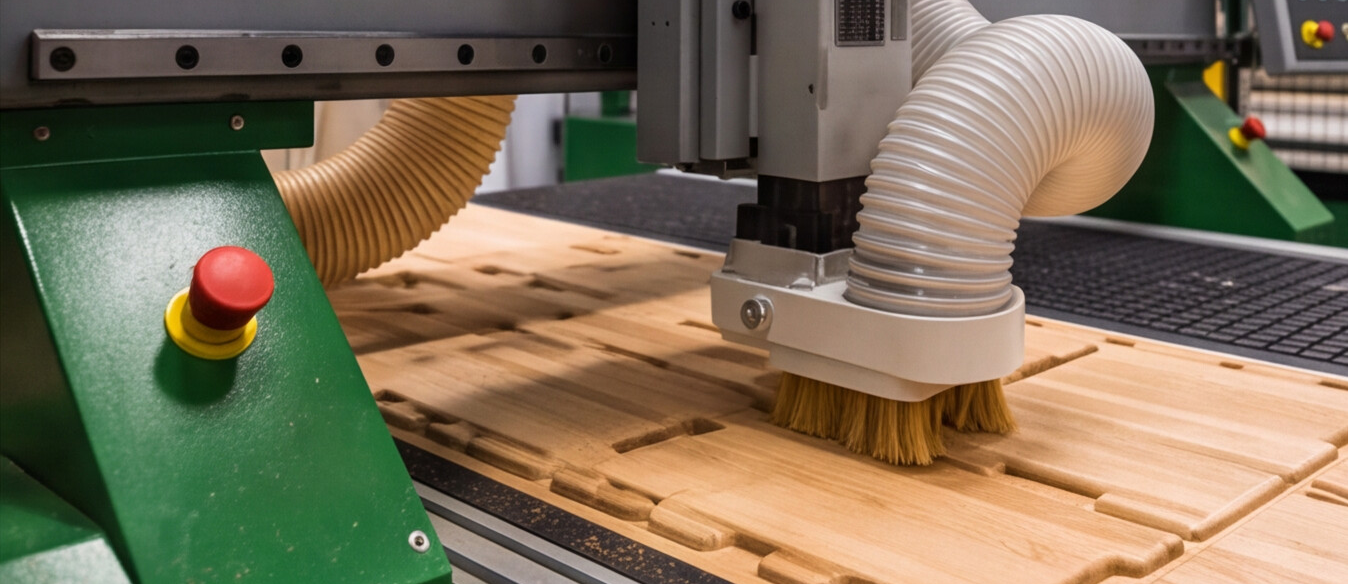
A finished interior rarely tells the full story of how it came together.
What you see is cabinetry integrated into the architecture: consistent finishes, aligned panels, functional storage, resolved hardware and details. Behind that result is a much larger cabinet manufacturing process — technical documentation, material planning, engineering, production, quality control, logistics, and installation.
For architects, developers, general contractors, and design teams, that process matters as much as the design itself. As cabinetry packages grow larger or more complex, the ability to execute consistently becomes just as important as the concept behind them.
At Maple Haus USA, that is why we treat cabinetry as an engineered system, not a collection of individual cabinets.
Key Takeaways
- Local manufacturing gives project teams greater control over quality, scheduling, and coordination.
- Scale depends on repeatable systems, not just facility size.
- Engineering and constructability review happen before fabrication, not after.
- Quality control is built into the cabinet manufacturing process, not added at the jobsite.
- Different project types — residential, multifamily, commercial, hospitality, healthcare — require different manufacturing flexibility.
Local Manufacturing Is About Control
Maple Haus manufactures cabinetry and architectural millwork in South Florida, supported by more than 55,000 square feet of production and warehouse space.
But the value of a local cabinet manufacturer isn’t the location printed on a box. It’s the ability to maintain greater oversight of the process.
Engineering, material preparation, fabrication, quality control, production scheduling, logistics, and project support are interconnected. Keeping manufacturing close to the markets we serve gives our team greater visibility into how a cabinetry package moves through each stage.
For project teams, that matters because cabinetry doesn’t exist independently from the construction schedule. It has to coordinate with architecture, appliances, mechanical and electrical requirements, finished surfaces, flooring, countertops, and other trades before it can be installed.
Local production gives Maple Haus greater control over quality, scheduling, responsiveness, fabrication, and project coordination throughout that process.
Scale Is More Than Production Volume
Manufacturing at scale sounds simple: make more cabinets. In practice, scale requires something different — repeatability.
A manufacturer needs systems for translating approved information into components that can be produced consistently across a project. That includes documentation, material specifications, machining, hardware, assembly, quality control, packaging, logistics, and installation requirements.
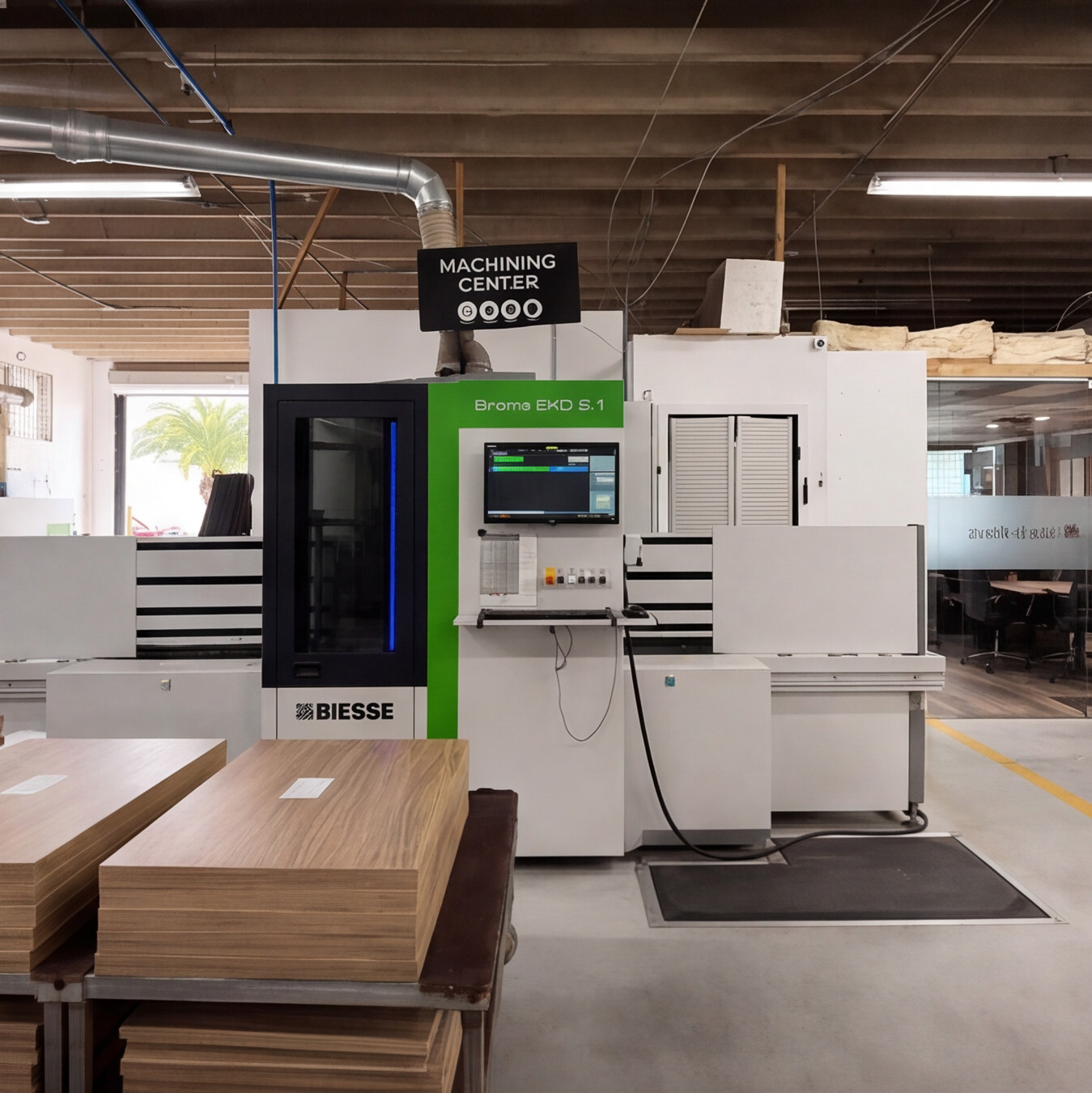
Maple Haus’s South Florida operation includes multiple dedicated production lines and European CNC manufacturing equipment, including BIESSE panel saws, routers, edge banding systems, and boring machines. Current infrastructure supports cabinet production capacity of up to 22,500 cabinets per month, with quality checks occurring at multiple points throughout production.
Those capabilities matter because larger projects magnify small inconsistencies. A detail that creates a minor inconvenience on one cabinet can become a significant coordination problem when repeated across dozens or hundreds of units.
The goal of scalable production, therefore, isn’t simply more output. It’s consistent output — engineered cabinet systems built to perform the same way on unit one and unit two hundred.
Quality Control Happens Before the Jobsite
The construction site shouldn’t be the first place a manufacturing issue is discovered. Quality control is part of the production system itself, not a separate check at the end.
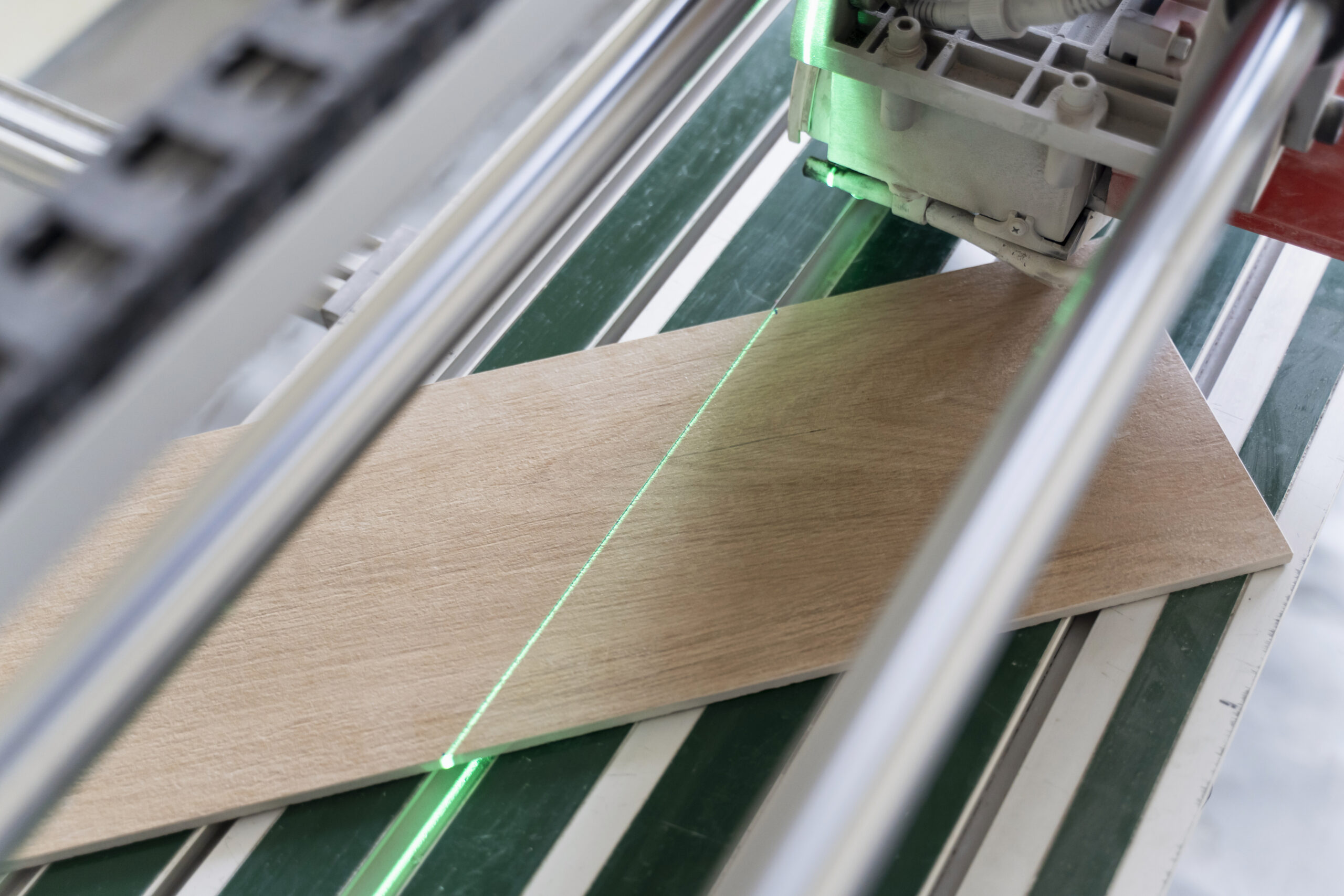
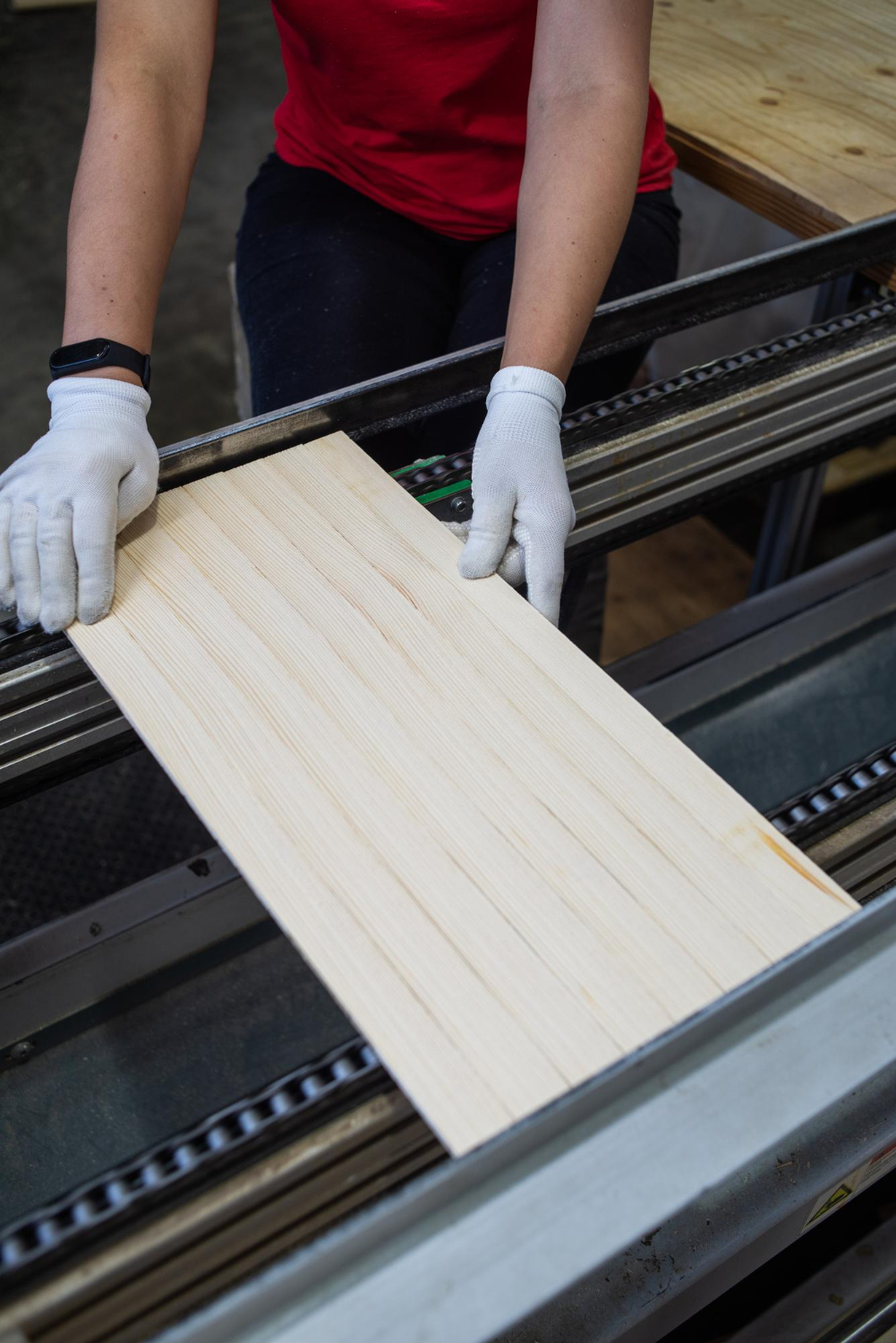
Maple Haus’s cabinet quality control process incorporates checks at more than five points throughout production, looking beyond whether a finished cabinet simply appears correct. Materials, machining, edges, components, hardware, assembly, and finished-product requirements all factor into whether cabinetry is ready for the next stage of a project.
This becomes more important as project volume grows. Consistency has to be produced intentionally, not inspected in after the fact.
From Production Floor to Project Site
Manufacturing isn’t complete simply because fabrication is finished. Cabinetry still needs to be organized, packaged, transported, delivered, coordinated with site conditions, and prepared for installation.
Maple Haus’s project workflow connects design and planning with engineering and documentation, manufacturing, delivery and logistics, and installation support. That broader view of the cabinet manufacturing process is particularly relevant to construction teams: a well-manufactured, installation-ready cabinet that arrives at the wrong stage of a project, or requires extensive field modification, can still create problems.
The goal is to manufacture cabinetry with the jobsite in mind from the beginning.
Built for Different Types of Projects
Scale doesn’t always mean thousands of identical cabinets. Different projects require different forms of manufacturing flexibility.
A multifamily development may prioritize repeatable configurations and finish consistency across units, the core strength of a multifamily cabinet manufacturer. A hospitality environment may combine repeated elements with highly customized architectural details. A healthcare or commercial interior may introduce different functional requirements, which is where a commercial cabinet manufacturer’s engineering process matters most. A custom residence may require one-off cabinetry, integrated architectural elements, specialized finishes, or multi-material assemblies.
Maple Haus supports residential, multifamily, commercial, hospitality, healthcare, and institutional applications, with capabilities extending from cabinet systems to architectural millwork, wall paneling, interior doors, and other integrated interior applications.
The manufacturing system needs to accommodate those differences without losing control of execution.
Local Manufacturing Is About Control
What does the cabinet manufacturing process actually include?
A complete cabinet manufacturing process covers design coordination, engineering and shop drawings, material selection, CNC fabrication, assembly, quality control, packaging, logistics, and installation support, not just cutting and assembling panels.
How is a cabinet manufacturer different from a custom cabinet shop?
A cabinet manufacturer like Maple Haus operates with dedicated production lines, standardized quality control checkpoints, and documented engineering processes designed to deliver consistent results at project scale. A custom shop typically builds one project at a time with fewer standardized systems.
Why does local manufacturing matter for commercial and multifamily projects?
Local manufacturing gives project teams greater visibility into production scheduling, quality control, and responsiveness, all of which affect how well cabinetry coordinates with a construction timeline.
What should builders and developers look for in a cabinet manufacturer?
Look for documented engineering and constructability review, in-house quality control, proven production capacity, and a process that connects design through installation, not simply the lowest bid on cabinet boxes.
Made Here. Built for Scale.
For us, Made Here is about more than geography. It represents direct involvement in the manufacturing process and greater oversight of how cabinetry moves from engineering through production and toward the jobsite.
And Built for Scale doesn’t simply mean producing a large number of cabinets. It means developing the systems, infrastructure, documentation, and coordination required to execute a consistent cabinet manufacturing process as project requirements grow.
That’s the story behind the finished cabinetry.
Designed with intent. Engineered for production. Manufactured in South Florida. Built for the project.
Talk to Our Team
Planning a multifamily, commercial, or residential development?
Maple Haus works with architects, interior designers, builders, and developers to support cabinetry and architectural millwork from design and technical coordination through manufacturing, delivery, and installation.
Planning a Residential, Multifamily, or Commercial Project?
Share your project scope, plans, specifications, and timeline with our team. We’ll route your inquiry based on project type and requirements.